Australian first: oral cancer screening tool to improve early detection rates
Researchers have developed a simple oral cancer screening tool to improve early detection rates in regional and rural Victoria.
‘MouthMap’ is the first triage tool of its kind in Australia enabling trained rural health workers to capture and upload images to a secure platform for remote expert review.
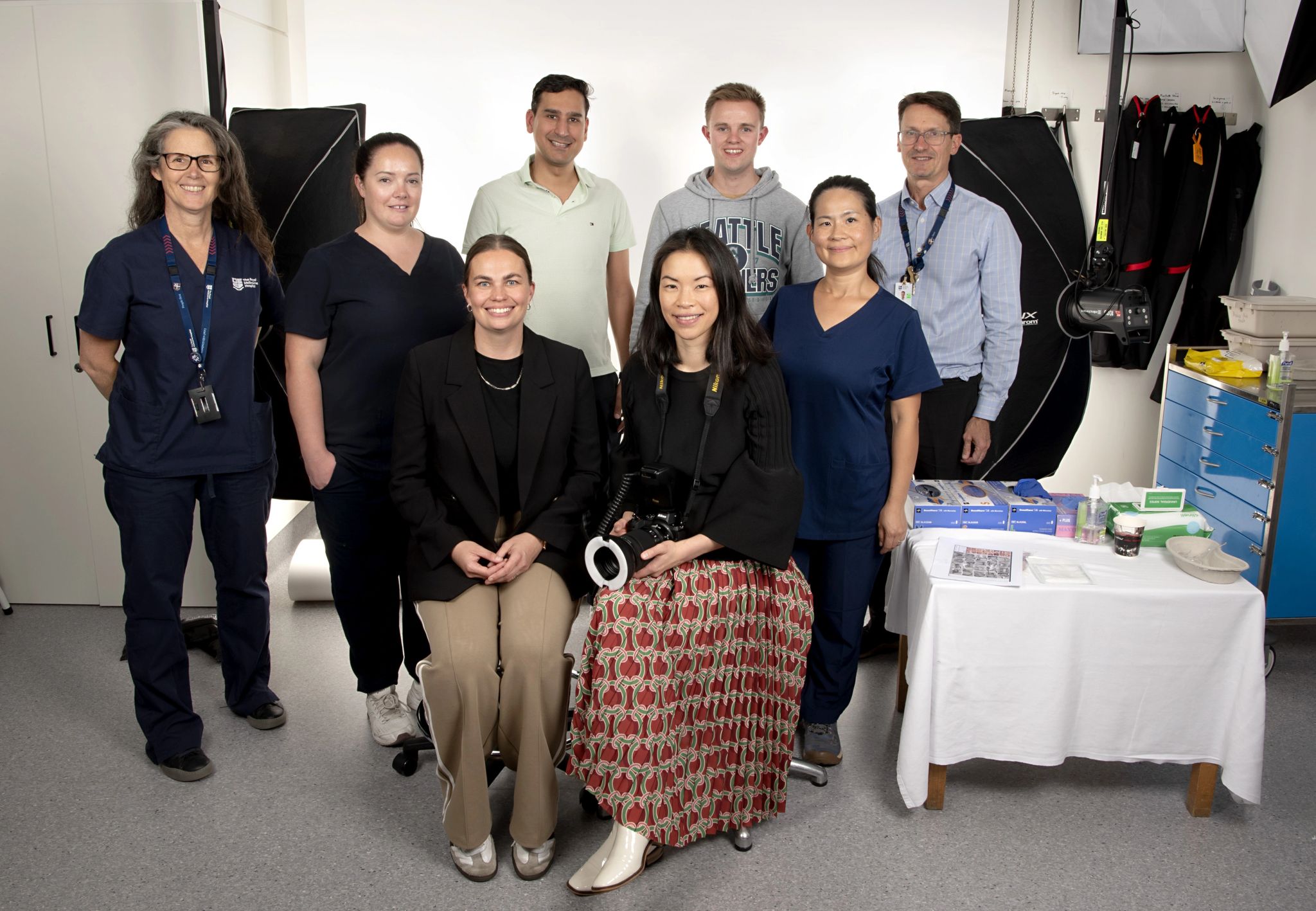
Lead researcher from the University of Melbourne, Dr Tami Yap said: “Residents in regional and remote areas have limited access to oral health services and as a result, these patients often have poorer oral health outcomes compared to those living in major cities.”
“Our model is designed to remove geographical barriers to mouth cancer screening and bridge the city-country divide by allowing specialists to make a diagnostic triage assessment of the patient from afar.”
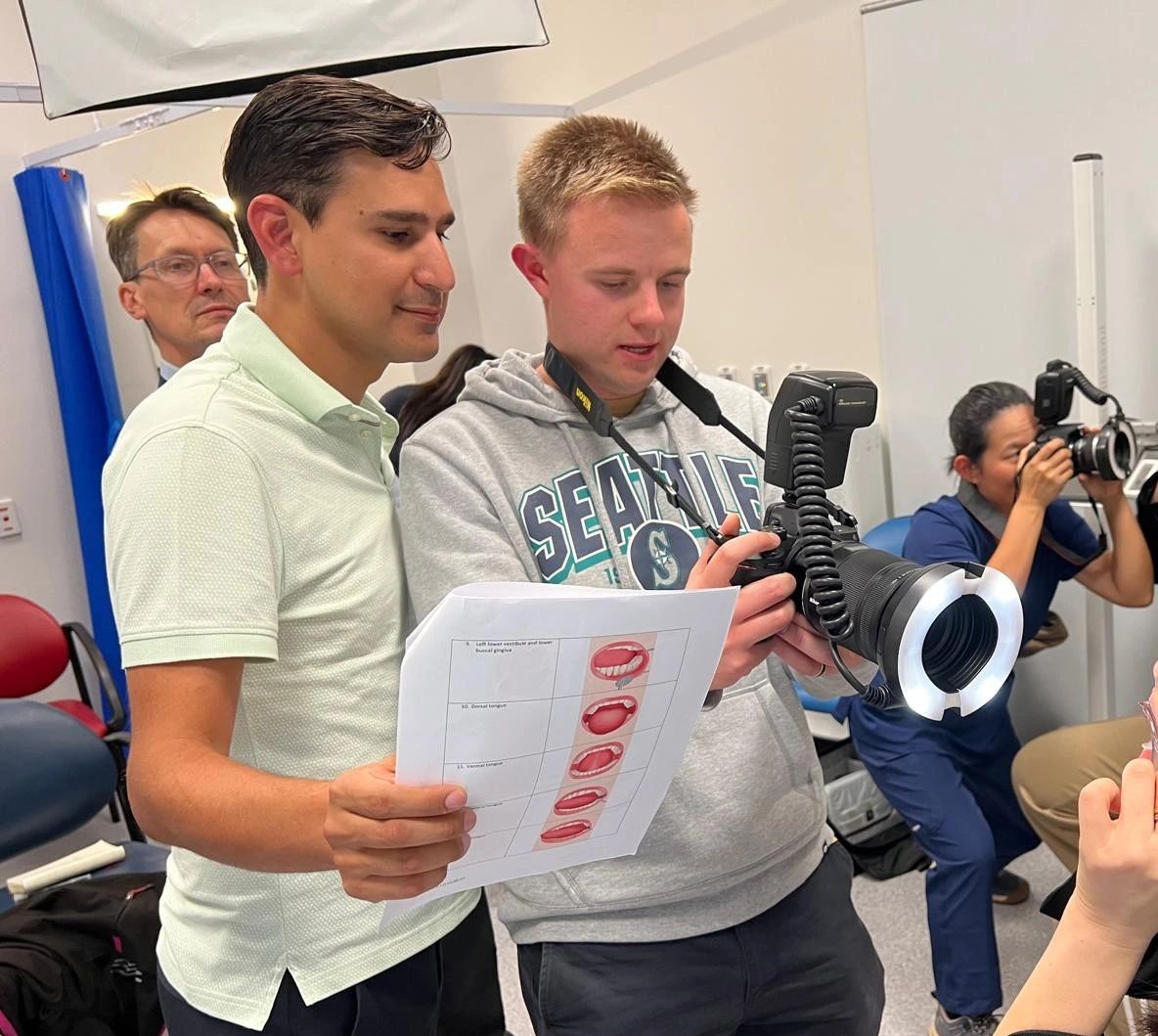
MouthMap enables non-oral health service team members who have undergone medical photography training to take the photographs.
Firstly, a rural health service team member and a camera capture high-quality images inside a patient’s mouth and those photographs are then uploaded to a secure web-based software platform called ‘MouthMap’.
Oral medicine experts review the images and send a clinical report to the patient’s care provider via the platform, advising whether there are any findings that require an urgent or non-urgent in-person appointment.
Co-researcher from La Trobe University, Dr Virginia Dickson-Swift said: “The World Health Organization recognises the importance of ‘task sharing’ to address medical personnel shortages by harnessing workers who may not be health practitioners.”
“Given the shortage of and retention issues of oral health professionals in the regions, we are adopting the ‘task sharing’ approach to increase access to screening where it is needed most.”
49 participants took part in the pilot study at the Wimmera Machinery Field Days in March in collaboration with West Wimmera Health Service and Farmers’ Health Network Australia.
A standard series of photographs were taken of the participants’ mouths and sent off for review via MouthMap.
“Most of the participants were from the agriculture-focused community, around 70 years old and the results showed 16 percent had pre-cancerous abnormalities that required further investigation,” Dr Yap said.
“None of them were aware of these abnormalities.”
“We expected to see up to five percent of participants with suspicious lesions, so this result was much higher than anticipated.”
“Our findings reinforce the importance of increasing access to screening services for those who live further from the city who are at an increased risk of poorer outcomes when diagnosed with oral cancer,” Dr Dickson-Swift said.
“Early detection is all the more important.”
The technology development received $75,000 in funding from the University of Melbourne’s Michael Hirshorn and Faculty Innovation Seed grants.
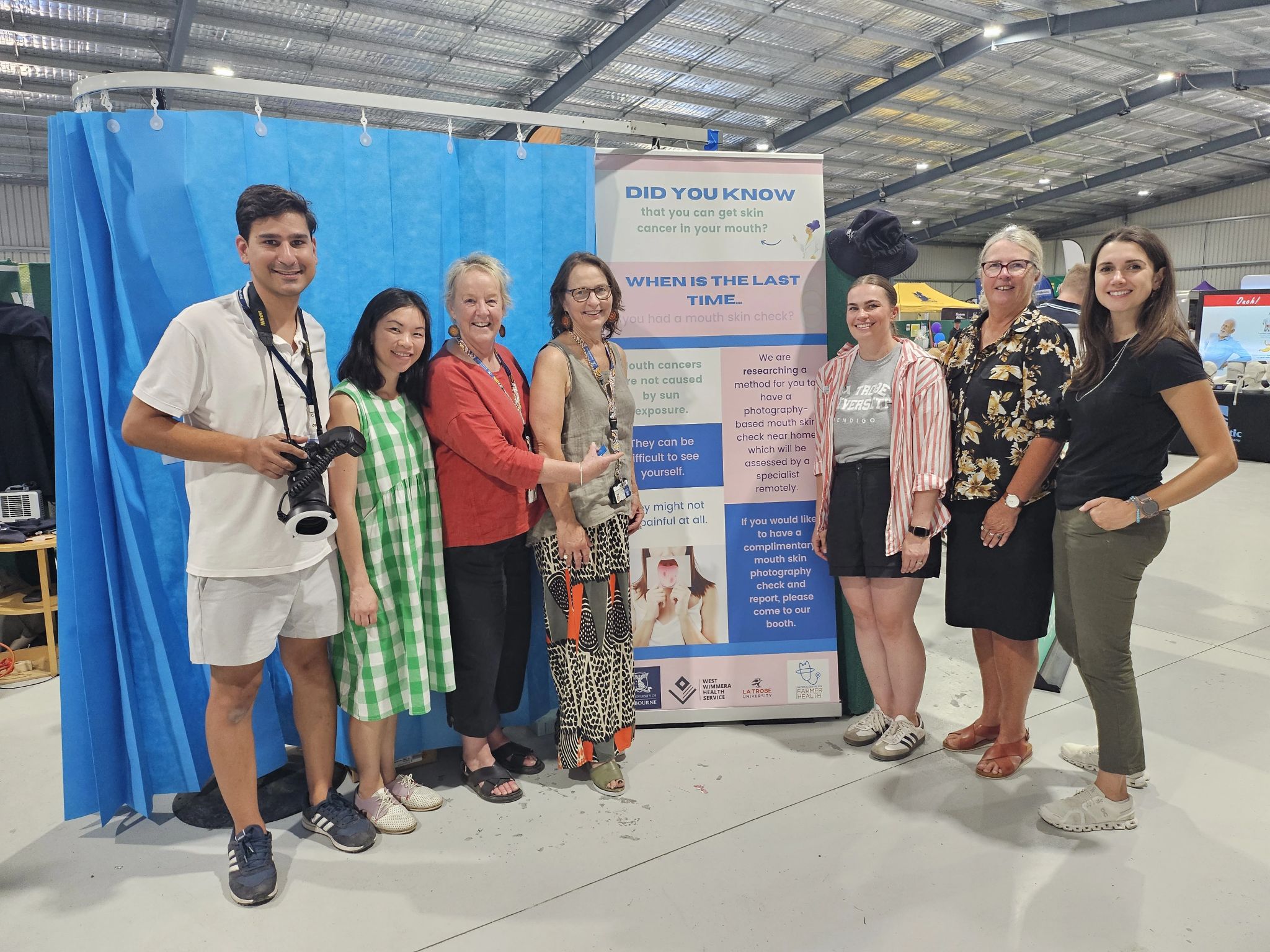
The research team has now partnered with Yea & District Memorial Hospital and supported by the Rotary Club of Yea, to roll out a free oral cancer screening program at the local saleyards.
Thanks to philanthropic donations from the Rotary Club of Yea and a Community Giving Grant from Elders, a permanent purpose-built screening facility will be installed at the Yea Saleyards later this year with the program expected to be up and running by January.
Dr Jennifer Keast from the University of Melbourne’s Rural Health Academic Network (RHAN) who is heavily involved in the project, said: “This new oral screening program will complement a suite of other monthly health check-ups already being offered at the saleyards including skin, cardiac, hearing and eyesight assessments as part of the Yea Hospital/Murrindindi Shire Free Farmer Health Check Program.”
The MouthMap software is also being used in research to apply artificial intelligence in diagnostic triage in nursing homes in Munich, Germany in collaboration with Ludwig Maximillian University.
Researchers have designed the screening model to be adapted and integrated into healthcare settings across the country.
Media enquiries: Mia Tyquin | +61 403 671 863 | mia.tyquin@unimelb.edu.au