By Associate Professor Rita Hardiman, Interim Head of Melbourne Dental School
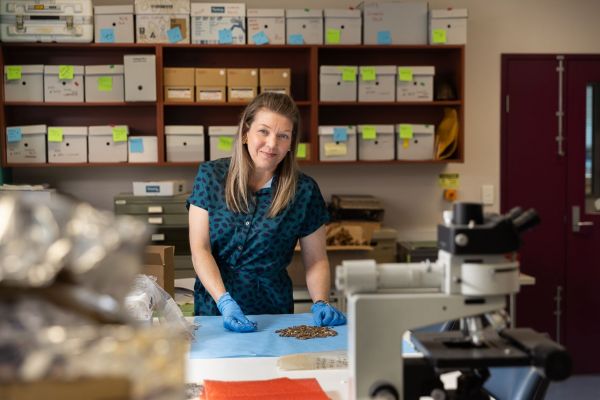
Dentists are uniquely positioned to be a powerful force in health promotion as they offer three vital advantages: acute observation, continuity of care – and trust.
Full disclosure: I’m not a dentist – my background is in anatomy. And having grown-up in the ‘80s – when my teeth were drilled without anaesthesia! – I try hard not to pass on my generational dental fears.
But my 15 years within the Melbourne Dental School, including 12 months as Interim Head of School, have confirmed for me that dentists have a pivotal role to play in improving broader health outcomes in an already stretched health system.
Let me explain.
From feared to trusted health professional
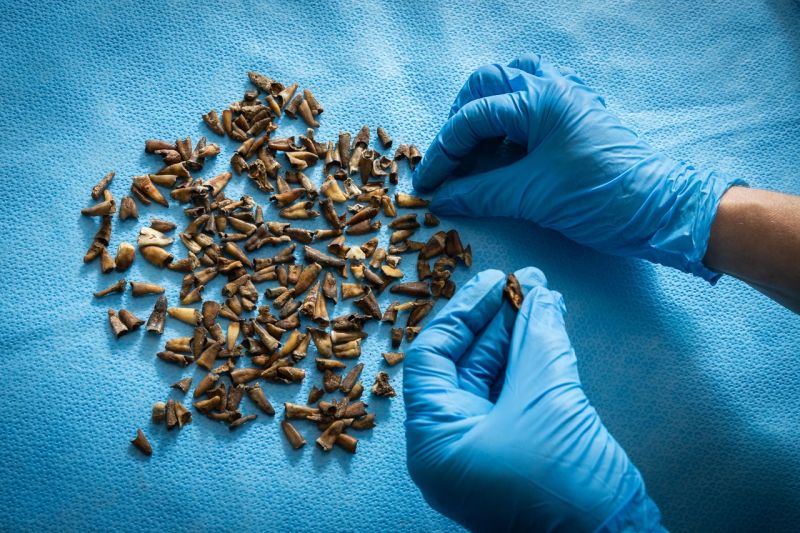
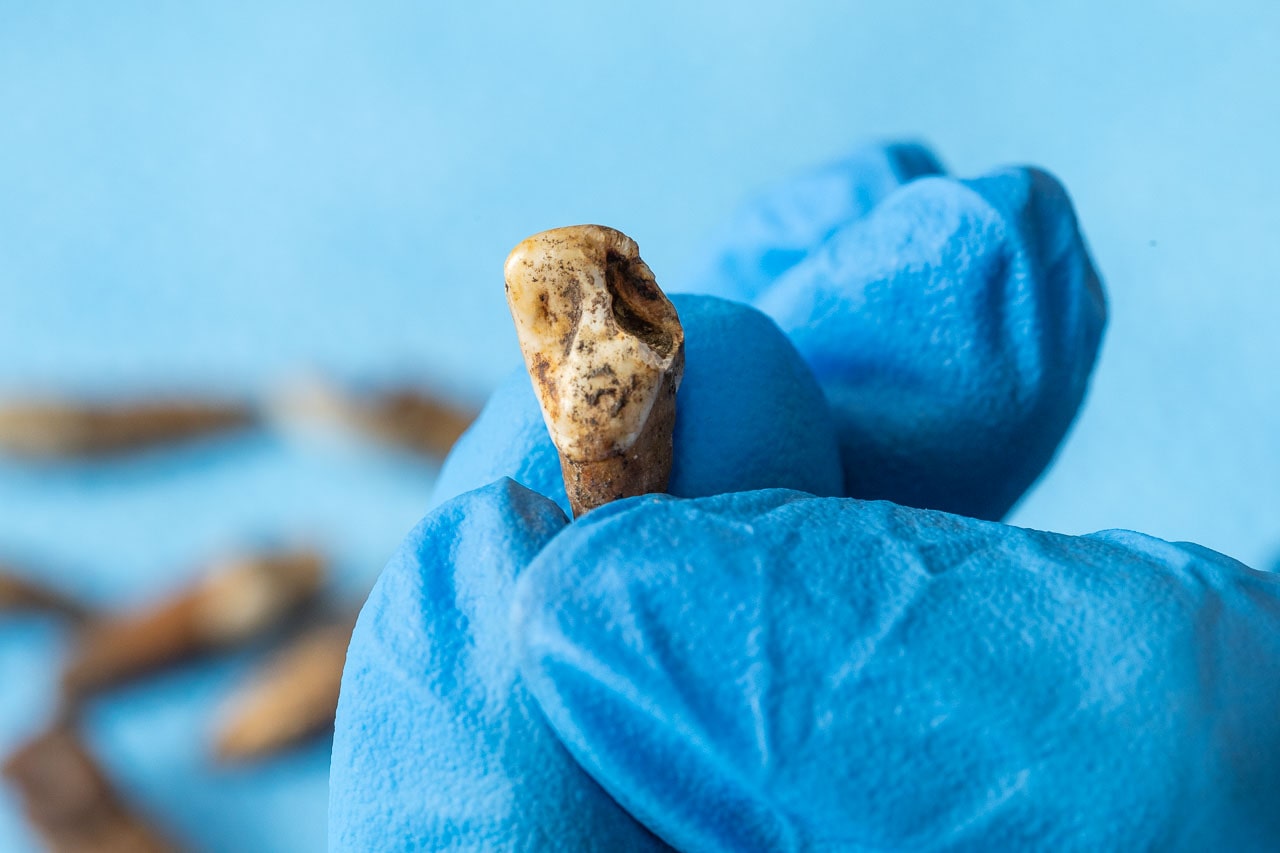
Archaeologists surveying Melbourne’s Metro Tunnel Project works on Swanston Street discovered the remains of 1880s dental clinics – specifically, 2,500 extracted teeth! These remnants of an era of oral health neglect are broken, stained, worn and contain massive cavities. The owners of these teeth clearly delayed going to the dentist until pain and discomfort became unbearable.
These discoveries showcase how far dentistry has come in technical expertise and prevention, and in the patient-clinician relationship. Gone are the days of patients simply receiving a treatment dictated to them by their dentist.
-

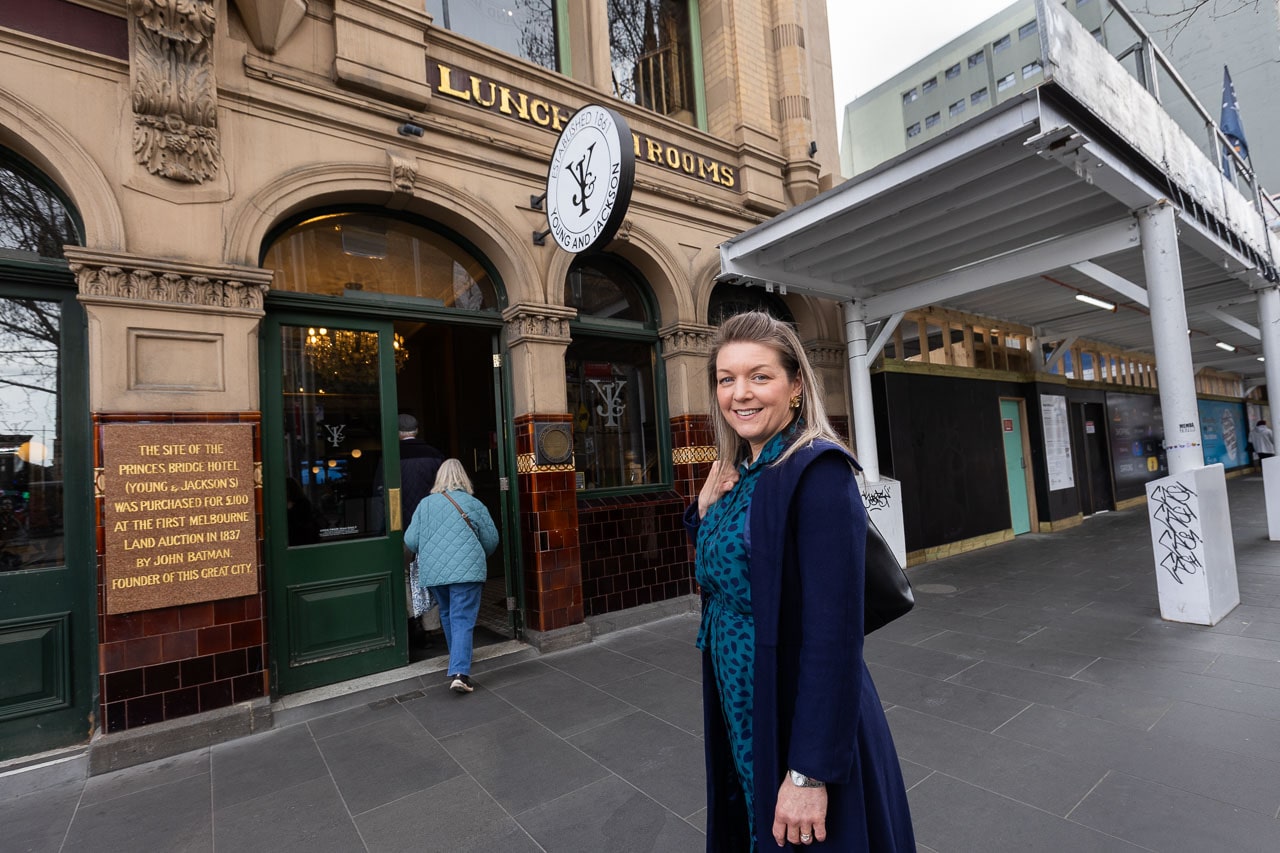
Associate Professor Rita Hardiman walks past hoardings of the Metro Rail Tunnel construction works in the Melbourne CBD. Credit: Peter Casamento -

Associate Professor Rita Hardiman standing outside the Metro Rail Tunnel construction site Swanston Street next to the Young & Jackson pub in the Melbourne CBD, where discarded teeth from the early 1900s were excavated from the archaeological dig. Credit: Peter Casamento -

Associate Professor Rita Hardiman points out a dentist’s office in a photo of Swantson Street from the early 1900s hanging inside the Young & Jackson pub in the Melbourne CBD. Credit: Peter Casamento -
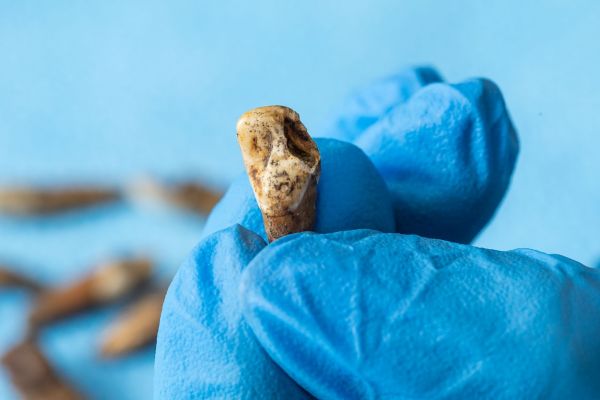
A tooth with a large cavity excavated from the archaeological dig of the Metro Rail Tunnel project. Credit: Peter Casamento


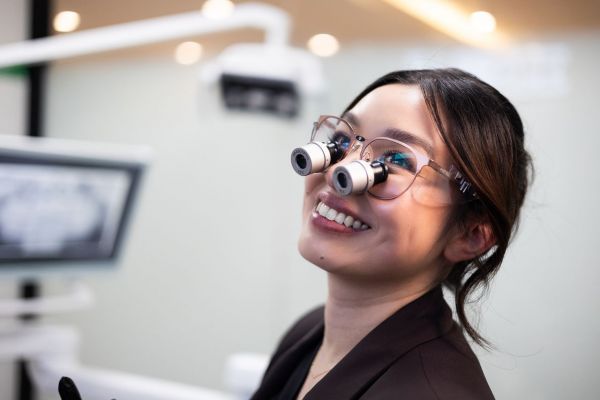
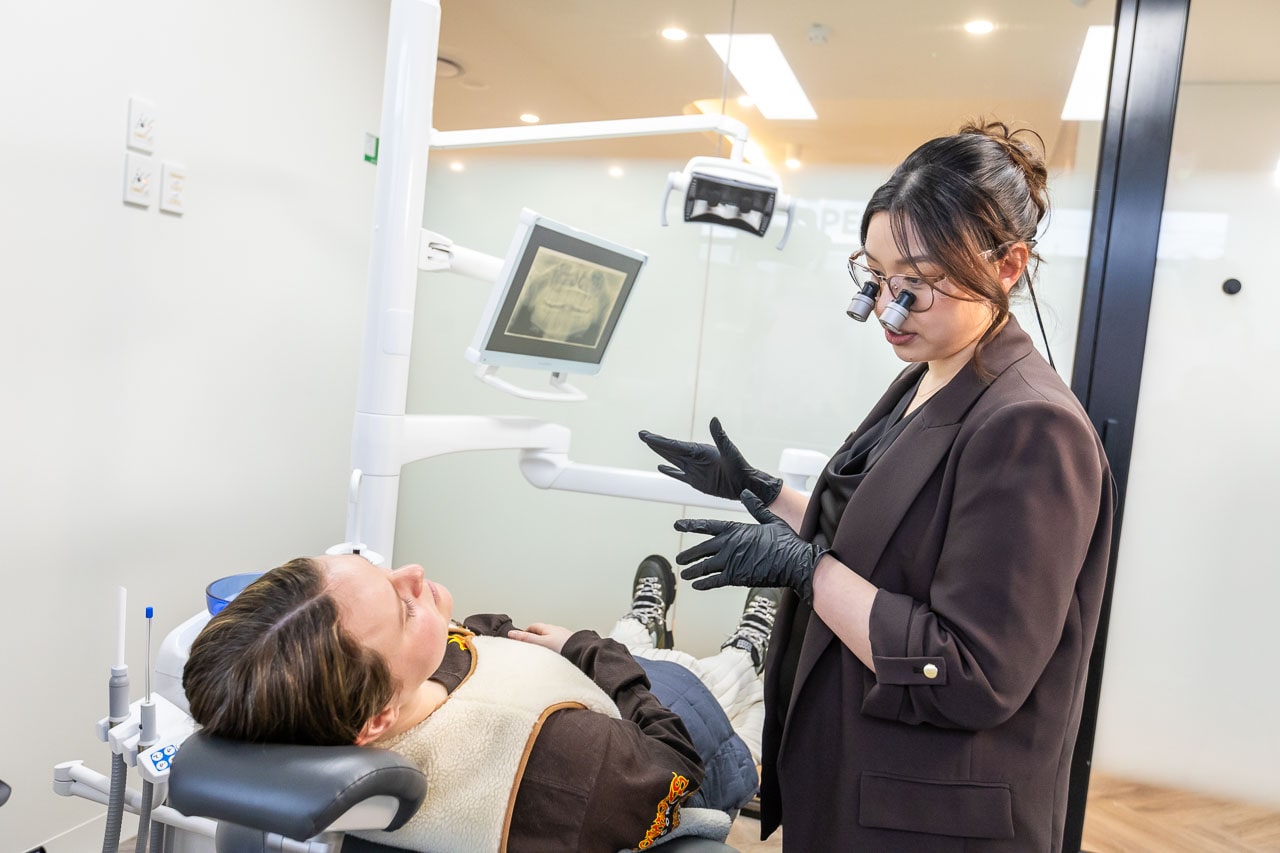
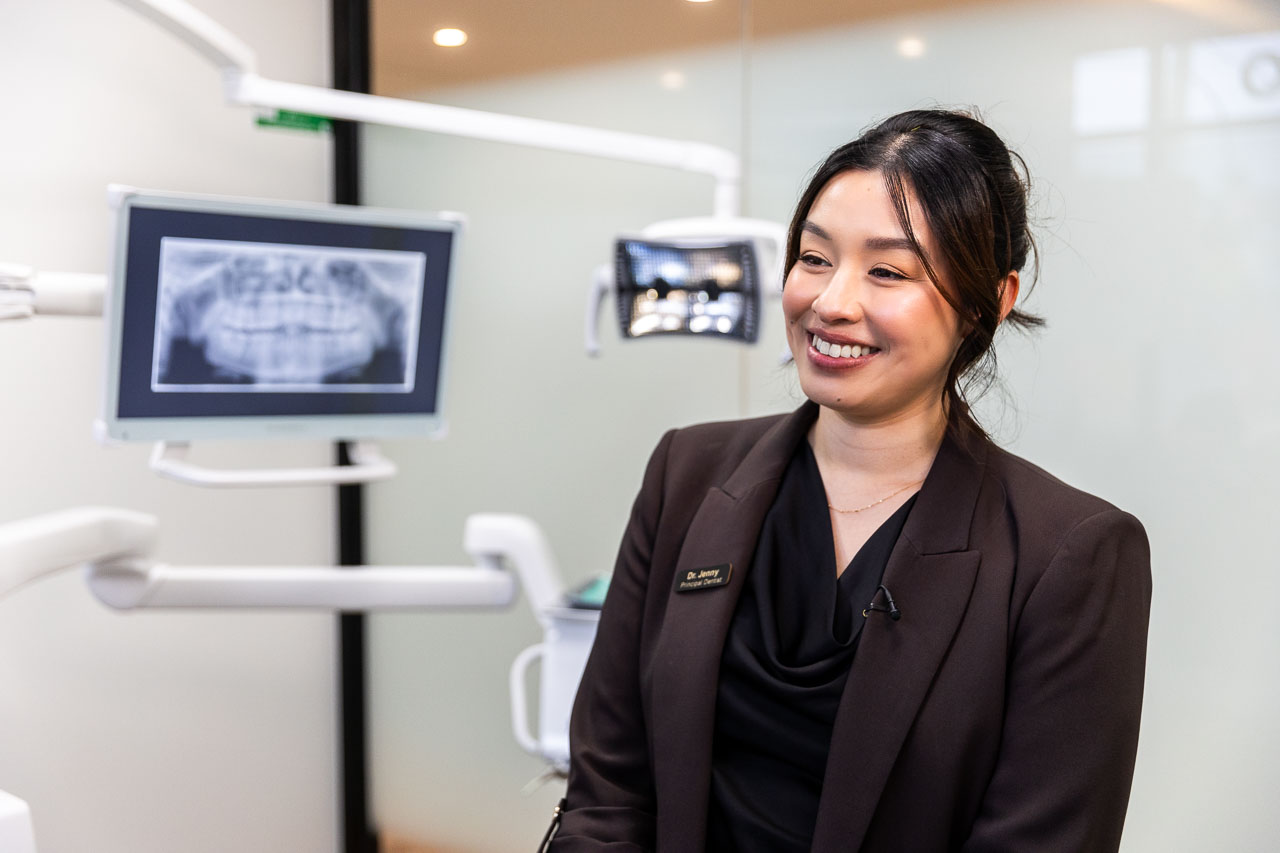
For example, at Luminaire Dental run by Doctor of Dental Surgery graduate Jenny Dang, nervous patients are empowered with choices about their treatments that are explained in layman’s terms. They can be distracted by their favourite television show, and are soothed by aromatherapy, numbing gels and the gentle use of dental instruments.
Other practices are making great headway in overcoming dental anxiety and avoidance with trauma-informed and culturally safe care.
One powerful example of this is the ADA Dental Health Foundation’s Rebuilding Smiles® program, which treats people affected by domestic and/or family violence. For these patients, broken or missing teeth can have a devastating impact on self-esteem and confidence, making it harder to apply for jobs or rebuild a sense of normalcy. These patients’ needs are often complex and deeply personal, requiring a level of compassion well beyond standard treatment.
When a local Rebuilding Smiles clinic opens, our students will be able to volunteer in this ground-breaking program. I know they will meet this opportunity with open hearts and treat patients with dedication, compassion and care.
Because dental work is uniquely intimate, within minutes of entering a clinic, people are reclined, unable to speak and physically vulnerable. For dentists, quickly establishing rapport and trust are key.
Picking up early warning signals
Their compassion, continuity of care and observation means dentists play an important role in early detection.
As trusted primary care professionals with regular, face-to-face contact with patients, dentists can be first to pick up signs of serious health issues – sometimes long before patients notice symptoms themselves.
Regular dental check-ups are vital opportunities to identify abnormal oral tissue changes early, and to save lives and reduce burdens on the wider health system.
There are also well-established associations between periodontitis and both diabetes and cardiovascular disease. This again places dentists in a prime position to raise the alarm before other symptoms appear.
One of our PhD researchers is even exploring the role of dental practitioners in recognising signs of strangulation – such as broken blood vessels, damaged molars or facial swelling. In the case of consensual sex, dentists can discreetly highlight the risks. Where there’s a risk of domestic violence, dentists can guide patients towards appropriate support.
Beyond oral health, dentists may pick up on shifts in a patient’s weight, skin tone, demeanour or energy levels that could indicate broader health concerns, including signs of cognitive decline. As Australia’s population ages, poor oral hygiene, missed appointments or unusual behaviour in the chair could all be red flags for conditions like dementia.
Teaching interdisciplinary collaboration
As the role of dentists widens, closer collaboration with other health professionals is a logical step. So many health issues are interconnected and siloed care leads to missed opportunities for early intervention.
One solution is likely to be Collaborative Practice Centres where dentists, doctors, nurses, audiologists, optometrists and other allied health workers operate side-by-side.
At Melbourne Dental School, this vision is already taking shape. Multidisciplinary teams of students from dentistry and the School of Health Sciences – covering eyes, ears and mouths – are visiting childcare centres to conduct early health screenings.
The impact has been profound. In one case, early detection by an optometry student, initiated intervention to support early changes in a child’s vision.
By bringing different disciplines together during training, students discover each other’s expertise and build relationships across professional boundaries. These early connections can carry through into practice, with some graduates establishing joint clinics or integrated models of care.
Redefining the role
Dentists are amongst our most valuable frontline health professionals. They are trusted, observant and deeply attuned to patient needs. They identify serious health issues earlier, respond with compassion to patients in crisis, and they work across disciplines to deliver holistic care.
My biggest learning from my time as Interim Head of Melbourne Dental School is that when you combine clinical precision with compassion and collaboration, dentists don’t just improve oral health – they help transform lives.
This is a critical moment to cement the profession's place at the apex of healthcare prevention.
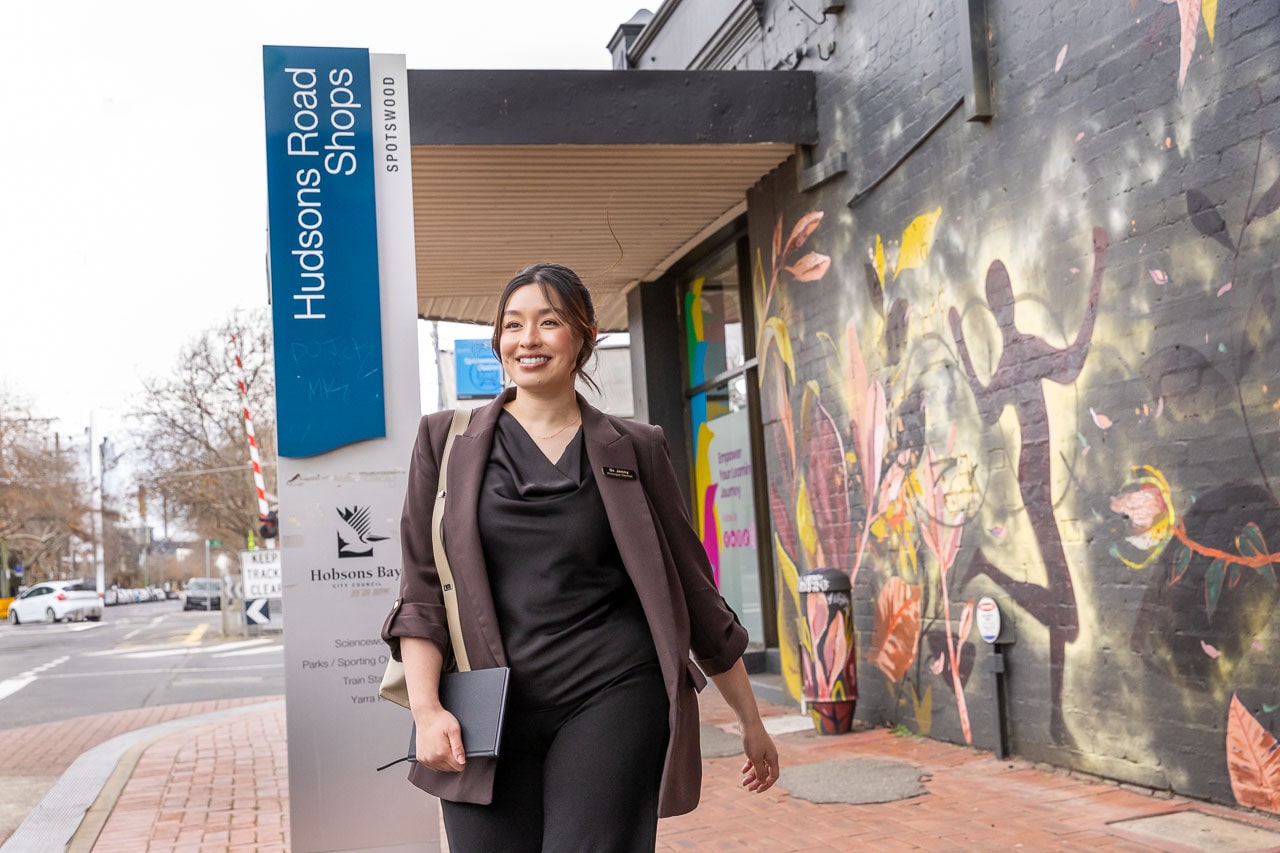

Find out more about Luminaire Dental
Alum, Jenny Dang, putting the patient first
“I grew up with a lot of dental anxiety,” recalls Dr Jenny Dang, founder and principal dentist at Luminaire Dental in Spotswood. When she became a dentist herself, Dr Dang realised how common an issue it was.
“There are a lot of patients with dental anxiety and they have the same account of what's happened – they have the same sensation of loss of control,” says Dr Dang.
So when it came to designing her own practice, Dr Dang knew how she wanted it to look, feel and smell.
“I tried to make the environment as welcoming as possible. I've incorporated a lot more ambient light in the practice, so non-fluorescent, warm light. We have candles and we also spray the practice with a coconut scent,” says Dr Dang.
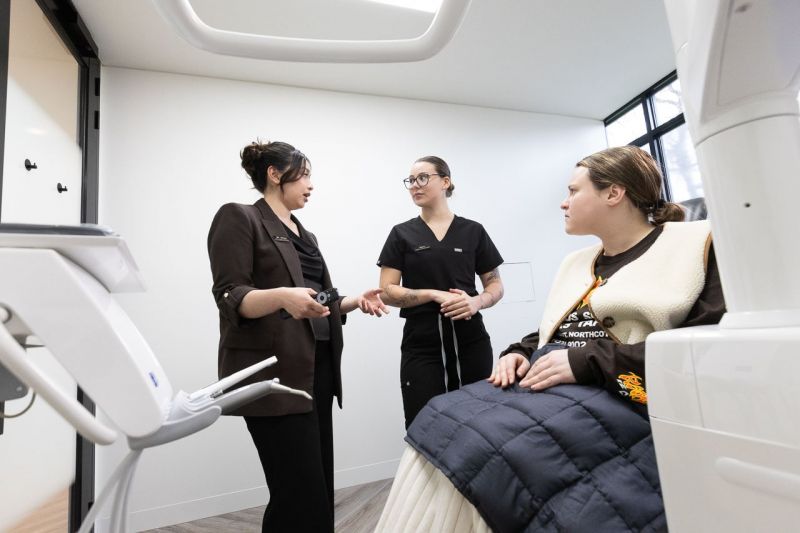
Patients are offered coffee and weighted blankets are available to provide comfort. A TV on the ceiling and noise cancelling headphones also help patients ease into their treatment. But the main factor in addressing dental anxiety is Dr Dang’s ‘chairside’, or ‘bedside’ manner.
Respecting that everyone in the chair is a person with a story is important. Dr Jenny Dang
“We're actually entering a very vulnerable and personal space and so you need to get to know the patient first, to respect that this person has feelings and history and that they can feel pain.
“They’re also in the chair, experiencing a procedure they don't have much control over. We need to respect that space that we're in.”
Dr Dang also emphasises to her patients that it’s important for them to let her know if they feel pain.
“I felt pain in the past and no one asked, so I remind patients that if they need a break, they can just raise their hand,” she says.
Bastas Academy and scholarship offer
In February 2025, the University of Melbourne launched the Bastas Academy for Health Leadership to address critical leadership and workforce challenges facing the global health sector.
The Academy is an innovative cross-disciplinary partnership between the university’s Faculty of Medicine, Dentistry and Health Sciences and Melbourne Business School. It provides world-class leadership development programs to upskill and empower health professionals to drive innovation, collaboration and excellence across the industry.
The Academy currently offers four intensive short courses:
- Activating your Leadership in Health
- Health Leadership for Impact
- Leading through Complexity in Health
- Leading Innovation and Transformation
These courses, custom-designed by world-leading health and leadership experts, are tailored for current and emerging leaders across health disciplines, and clinical, allied health, aged care, government, industry and research roles.
Scholarships covering up to 75 per cent of course fees are available for eligible applicants, who must be Australian citizens or permanent residents.
Register Your Interest for the 2026 Bastas Academy for Health Leadership courses